 Thrill Horizon Play
Thrill Horizon Play
Thrill Horizon Play
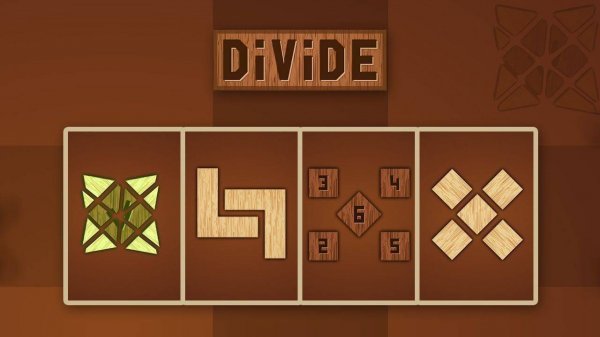
Shape Split Logic Puzzle offers a refreshing take on geometry puzzles. The minimalist design keeps you focused on the challenge. Each puzzle requires careful planning to split shapes with limited cuts. The difficulty curve is well-paced, making it accessible for beginners while still engaging for puzzle enthusiasts. A great choice for family-friendly mental exercise.
Shape Split Logic Puzzle is a logic puzzle game that challenges players to divide geometric shapes into a specific number of pieces. The core objective is to plan and make straight cuts on a given shape to achieve a target number of pieces, using a limited number of cuts. This game offers a clean, distraction-free environment focused purely on problem-solving and spatial reasoning. It is designed for players who enjoy mental exercises without time pressure, making it suitable for both quick sessions and longer play. The puzzles start simple and gradually increase in complexity, providing a steady learning curve that tests logic and foresight.
Players are presented with a geometric shape on the screen. The game displays two key numbers: the number of cuts allowed and the target number of pieces needed. Using a mouse or finger, players draw straight lines across the shape to divide it. Each line counts as one cut. After making all allowed cuts, the game checks whether the shape has been divided into the correct number of pieces. If not, players can retry. Success requires careful planning and visualization of how each cut will affect the shape before drawing it.
Clean geometric puzzles with no distracting graphics. Limited-move challenges that force efficient thinking. Progressive difficulty ensures a steady learning curve. Family-friendly logic gameplay safe for all ages. Each level offers a unique spatial puzzle to solve. The game provides a calm yet stimulating mental workout without time pressure or distractions.
Take your time to visualize how each cut will split the shape before drawing it. Planning ahead is essential to succeed. Start with simpler puzzles to understand how cuts affect different shapes. Practice regularly to improve spatial reasoning and efficiency. If stuck, try a different approach or take a short break to refresh your perspective.
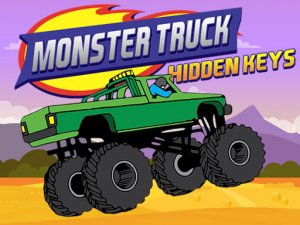
A fun hidden object game with a cool monster truck theme and increasing difficulty.

A charming and relaxing puzzle game that encourages creative thinking through simple drawing mechanics. Perfect for all ages.
A simple, addictive timing game with bright visuals and smooth controls. Great for quick breaks.
A fun, free arcade game with colorful emojis and simple controls. Great for quick play sessions.
A charming puzzle game that teaches kindness and strategy. Perfect for family game time.

A colorful and relaxing bubble shooter with endless levels, perfect for quick breaks or longer play sessions.

A fun, safe escape game with clever tools and power-ups. Perfect for family gaming sessions.

A cheerful jigsaw game with friendly faces and adjustable difficulty. Perfect for family puzzle time.